

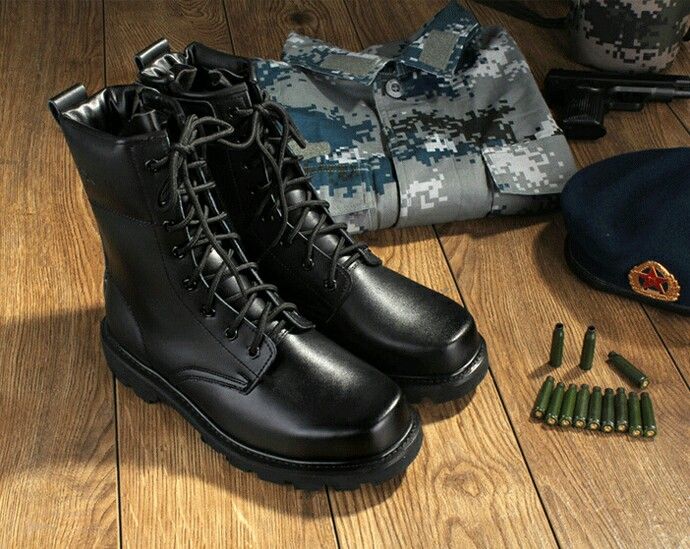
Law enforcement, security, and tactical work place serious demands on footwear. Officers may spend hours standing, walking, climbing stairs, moving across pavement, responding quickly, or working in changing weather. Choosing the right police boots can help support comfort, stability, and protection during long shifts.
Duty footwear is different from regular casual footwear. It needs to handle daily movement, pressure, and unpredictable conditions while still feeling comfortable enough to wear for extended periods. A poor pair of boots can lead to sore feet, tired legs, slipping risks, and distraction during work.
The right boots should support the job from the first hour of the shift to the last.
Why Duty Boots Matter
Police and security professionals often work in environments that change quickly. One part of the day may involve standing at a post, while another may require walking long distances, moving through buildings, crossing wet pavement, or responding to an urgent situation.
Footwear needs to support all of those tasks. Boots that are too heavy can cause fatigue. Boots that lack support can lead to discomfort in the feet, knees, hips, and back. Boots with poor traction can create safety issues on wet floors, sidewalks, gravel, or stairs.
Good duty boots help workers stay focused. When footwear fits well and feels stable, the wearer can pay more attention to the job instead of foot pain or slipping concerns.
Comfort Features to Review
Comfort is one of the most important factors in duty boots. Since many officers and security workers spend long hours on their feet, cushioning and support matter.
A supportive midsole can help reduce impact from walking and standing on hard surfaces. Arch support helps keep the foot more stable, especially during long shifts. A padded collar and tongue can reduce rubbing around the ankle and top of the foot.
Breathability is also worth considering. Boots that trap too much heat can become uncomfortable during warm weather or indoor work. Moisture buildup can also lead to odor and irritation.
Ankle support is another useful feature. Tactical-style boots often provide higher coverage than regular shoes, which can help support movement on uneven ground or during quick changes in direction.
Traction and Stability Are Essential
Duty boots should provide dependable grip on different surfaces. Police and security work may involve pavement, tile, concrete, grass, gravel, stairs, and wet areas.
Slip-resistant outsoles are useful for indoor and outdoor settings. Deep or well-designed tread can help with traction on uneven ground, while flatter grip patterns may work well for smooth floors and pavement.
Stability also comes from how the boot fits and flexes. A boot that is too loose can cause the foot to slide inside. A boot that is too stiff may make movement uncomfortable. The right boot should feel secure while still allowing natural motion.
For night shifts or outdoor assignments, traction becomes even more important because visibility may be lower and surfaces may be harder to judge.
Durability and Protection
Police boots should be built for repeated use. Look for materials that can handle wear, bending, scuffing, and changing weather. Leather, synthetic materials, or a mix of both are common in duty footwear.
Water resistance can be helpful for officers who work outdoors, around wet pavement, or in rainy conditions. Some boots may also include reinforced toe areas, heel protection, or abrasion-resistant panels.
Side zippers can be useful for quick on and off, especially for workers who need convenience without sacrificing a secure lace-up fit. However, the zipper should feel strong and should not create pressure against the foot.
Toe protection may also matter depending on the work setting. Some duty boots may include soft toe, composite toe, or safety toe options. The right choice depends on workplace requirements and daily risks.
Fit Tips Before Buying
Fit can make or break a pair of duty boots. The boots should feel secure around the heel and midfoot without squeezing the toes. There should be enough room in the toe box for natural movement, especially during long shifts.
Width matters as much as length. A narrow boot can create pressure and rubbing, while a boot that is too wide can feel unstable.
Try boots with the socks you plan to wear on duty. Thick tactical or work socks can change the fit. If the boots feel perfect with thin socks but tight with duty socks, sizing may need adjustment.
Some leather or tactical boots may need a short break-in period. Wear them for shorter periods before using them for a full shift. However, serious pain, numbness, or sharp pressure usually means the fit is wrong.
Final Thoughts
Police and duty boots should offer comfort, support, traction, durability, and protection for long hours and demanding conditions. The best pair depends on the work environment, shift length, climate, movement needs, and personal fit. By reviewing cushioning, ankle support, outsole grip, materials, and sizing, officers and security professionals can choose footwear that supports daily duty with more confidence.
For men and women looking for duty footwear, tactical boots, work boots, western styles, and everyday shoes, BootsPlusMore offers options for different work settings and outdoor needs. Visit the website to find boots that fit your routine and support long days on your feet.
