

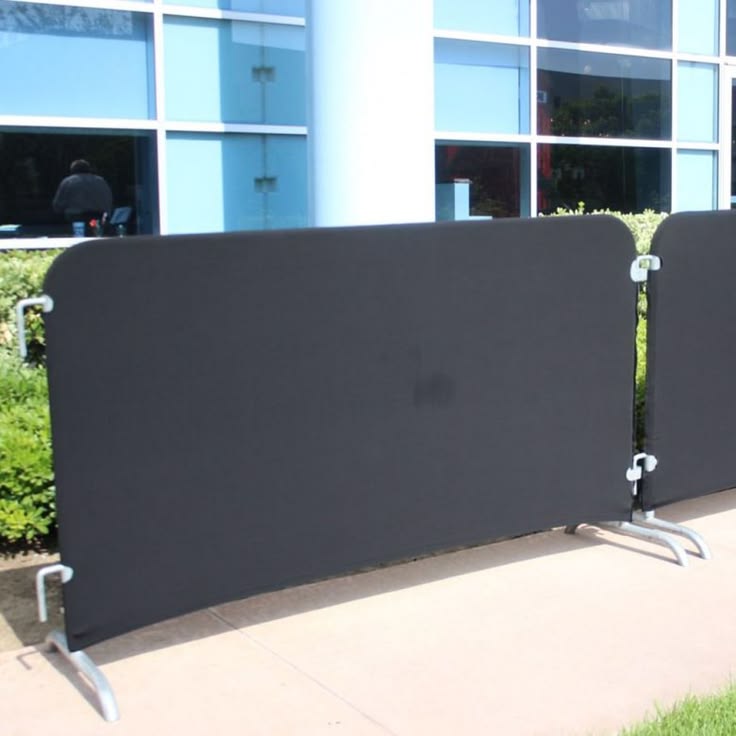
Temporary barriers are essential for guiding crowds, protecting restricted areas, and organizing busy spaces. However, plain barricades do not always match the look of a polished event, venue, or public activation. That is why many planners, municipalities, venues, and security teams use barricade covers to improve presentation, display branding, and make event layouts look more professional.
Barricade covers fit over crowd control barriers and turn them into useful visual surfaces. They can carry logos, sponsor names, event graphics, safety messages, directional details, or simple solid-color designs. Instead of leaving metal barriers exposed, teams can use covers to make the site feel cleaner and more organized.
For public-facing events, small presentation details can affect how guests, sponsors, vendors, and city partners view the setup.
Why Barricade Appearance Matters
Barricades are often placed in some of the most visible parts of an event. They may sit near entrances, ticket lines, VIP areas, stages, vendor sections, photo areas, parking zones, or restricted access points. Because guests see them immediately, their appearance becomes part of the overall event environment.
Plain barriers are practical, but they can sometimes look unfinished. Covers help create a more refined look without changing the barrier’s main purpose. This can be especially useful for branded events, outdoor festivals, corporate gatherings, sporting events, and municipal celebrations.
For venues, clean-looking barriers can also help maintain a better guest experience. When the crowd control setup looks planned, the event feels more organized.
How Covers Support Branding and Sponsorship
One of the biggest advantages of barricade covers is the ability to display branding. Event names, venue logos, sponsor names, and campaign visuals can be placed where guests will naturally see them.
This is helpful for events with sponsors. Instead of limiting sponsor exposure to banners or digital screens, barricade covers add more visible space throughout the site. Sponsors can appear near entrances, queues, stage areas, or high-traffic walkways.
Branded covers can also help event teams create a consistent visual style. Matching colors, logos, and messaging across multiple barriers can make the site feel more coordinated.
For municipal events, covers can display city branding, event names, public notices, or simple directional messages. For private events, they can carry company branding, product names, or guest instructions.
Practical Uses Beyond Branding
Barricade covers are not only for logos. They can also support site communication. A cover can help mark restricted areas, direct guests to entrances, identify VIP sections, or separate vendor zones.
For queue management, covers can help guests understand where to line up. At ticketing points, check-in areas, or security screening zones, clear messaging can reduce confusion and keep lines moving.
They can also be useful for areas where staff need to control access. A cover that marks “staff only,” “media,” “vendor entrance,” or “closed area” can support the work of security teams.
In some settings, covers may also help improve the visual appearance of older or heavily used barriers. This can be helpful when the barriers are still functional but need a cleaner public-facing look.
What to Consider Before Choosing Covers
Before ordering barricade covers, teams should confirm the barrier size and style. Covers need to fit correctly so they look neat and stay in place during use. A poor fit can appear loose, wrinkled, or distracting.
Material matters too. Outdoor events may need covers that can handle sun, wind, dust, and light rain. Indoor events may focus more on appearance and print quality.
Print visibility should be considered from a distance. Logos, words, and graphics should be easy to read in the areas where the covers will be used. A design that looks good up close may not work well in a crowded event space.
Color choices should also be practical. Strong contrast can help messages stand out, while brand colors can help keep the look consistent.
Installation and removal should be simple. Event teams often work under tight setup schedules, so covers should be easy to place, secure, and remove when the event ends.
Where Barricade Covers Work Best
Barricade covers are useful across many event types. Concerts and festivals can use them near stages, entrances, sponsor zones, and vendor areas. Sporting events can use them along walkways, fan zones, check-in areas, and media sections.
Municipal events can use covers for parades, street fairs, public ceremonies, holiday events, and community gatherings. They can help make city-run events look more organized while also sharing useful information.
Venues can use covers for recurring events, trade shows, expos, conferences, and outdoor activations. Security teams can also use them to mark access points and separate public areas from staff-only zones.
For brands, barricade covers can become a useful part of event marketing. They place logos and messages in natural sightlines without adding extra structures to the site.
Final Thoughts
Barricade covers help event teams turn standard crowd control barriers into cleaner, more useful visual tools. They support branding, sponsor exposure, guest direction, restricted-area marking, and overall event presentation. For events where barriers are highly visible, covers can help the site look more planned and professional.
For event planners, venues, municipal agencies, and security teams looking for dependable crowd control equipment and branded barrier options, Epic Crowd Control offers products suited for public events, private gatherings, and temporary site layouts. Visit the website to plan a cleaner, more organized barrier setup for your next event.
