

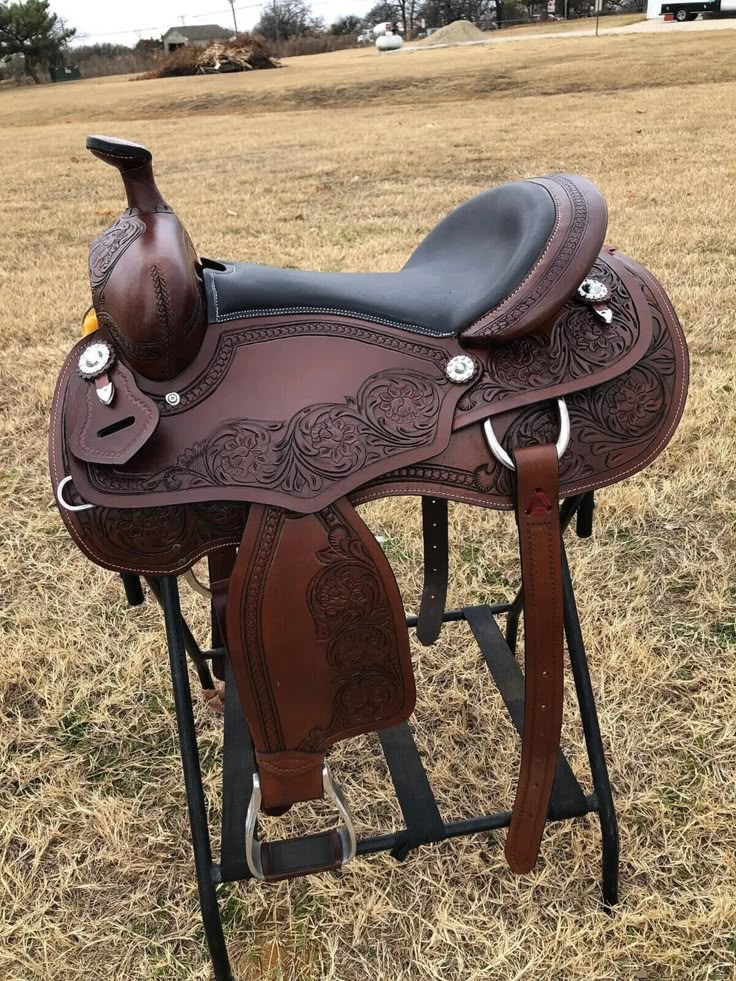
A saddle is one of the most important pieces of riding equipment, but buying new is not always necessary. Many riders choose a Used Saddle because it can offer strong value, proven comfort, and access to better-quality options at a more reasonable price. The key is knowing how to evaluate fit, condition, and purpose before making a decision.
A good saddle should support both horse and rider. It needs to sit correctly on the horse’s back, help the rider stay balanced, and match the type of riding being done. When a saddle does not fit well, it can cause discomfort, soreness, poor movement, and frustration.
Buying used can be a smart choice, but it should be done carefully. A saddle may look good at first glance, but hidden issues such as a damaged tree, worn rigging, dry leather, or poor fit can create problems later.
Why Riders Choose Used Saddles
Used saddles are popular because quality saddles can last for many years when they are cared for properly. A well-built saddle does not become useless simply because it has been ridden before. In many cases, it may already be softened, shaped, and easier to ride in than a brand-new saddle.
For riders working within a budget, pre-owned saddles can make higher-quality options more accessible. Instead of buying a lower-grade new saddle, a rider may be able to find a better-made used one for a similar price.
Used saddles can also be practical for riders whose needs may change. A growing rider, a new horse, a shift in riding discipline, or a different training goal can all affect saddle choice. Buying used may provide more flexibility while the rider figures out what works best.
Start with the Right Riding Purpose
Before looking at style, tooling, or color, think about how the saddle will be used. A trail rider, barrel racer, ranch rider, and show rider may all need different features.
Trail riders often need comfort for long hours, secure seating, and practical attachments for carrying gear. Ranch riders need durability, stability, and a saddle that can handle daily use. Barrel racers need a lighter saddle with a secure seat for quick turns and speed.
Show riders may care more about presentation, tooling, and overall appearance, but the saddle still needs to fit correctly. Pleasure riders may want comfort, balance, and a saddle that works well for relaxed riding.
Choosing by purpose helps narrow the search and prevents buying a saddle that looks appealing but does not suit the job.
Check Saddle Fit Carefully
Fit should always come first. A used saddle that does not fit your horse is not a bargain, even if the price is attractive.
For the horse, review the tree size, gullet width, bar angle, and skirt length. The saddle should sit evenly and should not pinch the withers, rock from front to back, bridge across the back, or slide excessively.
Skirt length is especially important for shorter-backed horses. A saddle that is too long may interfere with movement or create pressure near the loin area.
The rider’s fit matters too. Seat size should allow the rider to sit balanced without feeling cramped or loose. Stirrup length, fender position, and seat shape should support the rider’s natural position.
When possible, try the saddle on the horse before buying. If that is not possible, ask for measurements and clear photos from multiple angles.
Inspect the Saddle’s Condition
Condition can affect safety, comfort, and long-term value. Start with the leather. Look for cracks, dryness, stretching, deep wear, or weak spots. Some wear is normal, but brittle leather can be a concern.
Check the stitching closely. Loose, missing, or broken stitching can lead to bigger problems, especially in areas that carry stress.
The rigging should be secure. Inspect the D-rings, billets, latigo carrier, cinch area, and hardware. These parts help hold the saddle in place, so they need to be strong.
The tree is one of the most important parts of the saddle. A damaged tree can make the saddle unsafe and uncomfortable. Warning signs may include twisting, unevenness, unusual creaking, or visible structural issues.
Also check the fleece or underside. Worn or damaged fleece can affect the horse’s comfort and may need repair. Stirrup leathers, fenders, horn, cantle, and conchos should also be reviewed before buying.
Avoid Common Buying Mistakes
One common mistake is buying based only on price. A very cheap saddle may need repairs that cost more than expected. In some cases, a damaged saddle may not be worth fixing.
Another mistake is focusing too much on appearance. Tooling, color, and silver accents can make a saddle attractive, but fit and condition matter more.
Some buyers also skip inspection because they trust photos alone. Photos can help, but they may not show tree damage, dry leather, weak rigging, or uneven wear clearly.
Riders should also avoid assuming one saddle will fit every horse. Even within the same riding style, horses have different back shapes, withers, shoulders, and builds.
Final Thoughts
A used saddle can be a practical investment when it fits well, suits the rider’s discipline, and remains in good condition. Before buying, riders should review the saddle’s purpose, horse fit, rider fit, leather condition, tree soundness, rigging, and repair needs. A careful approach can help avoid costly mistakes and lead to a saddle that feels comfortable and dependable.
For riders looking for pre-owned saddles, tack, and western riding gear, Saddle Up Colorado offers options for different riding styles, horses, and budgets. Visit the website to find a saddle that supports your next ride.
